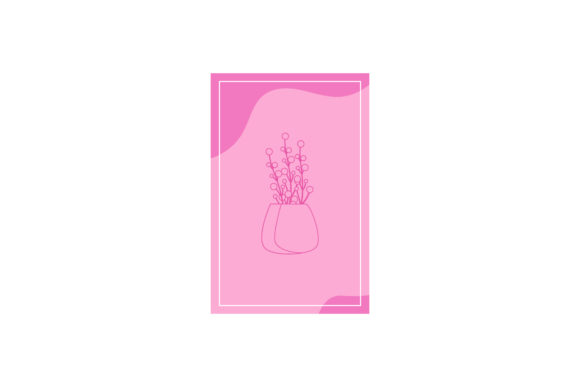
Garden Floral Decorative Vector Review
As a designer who spends more time than I care to admit staring at stitch lines and fabric grain, I approach every new asset with a healthy dose of skepticism. The market is flooded with generic clip art, but finding a true machine embroidery design that balances aesthetic charm with technical viability is rare. That is why I took a close look at the Garden Floral Decorative Vector before committing it to my production queue. This isn’t just about how pretty it looks on a screen; it’s about how it translates when thread meets cloth.
The product falls under the broad categories of Illustrations and Graphics, specifically delivered as an AI file and SVG format. While these are vector formats rather than native .dst or .pes machine files, they serve as the foundational blueprint for any serious embroiderer. My review focuses on how this specific design performs when converted into a physical embroidery project, particularly for those of us running small businesses or creating high-end personalized gifts.
First Impressions: Mood and Visual Personality
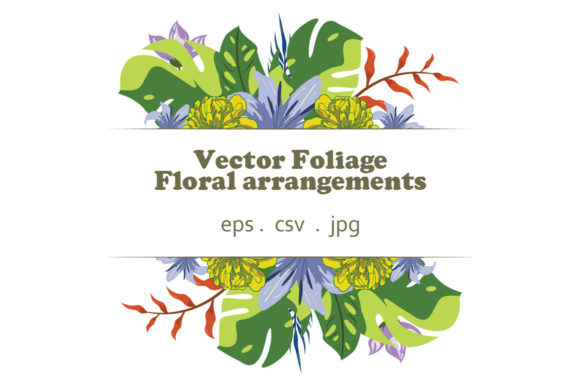
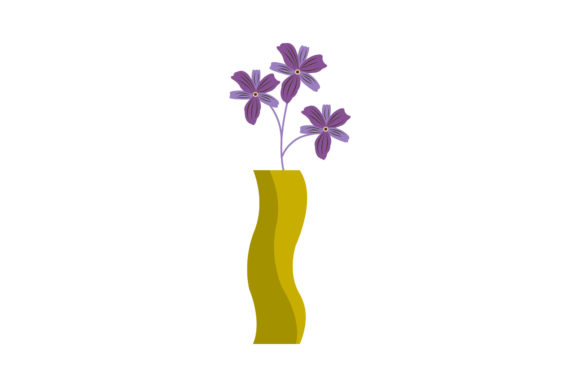
When you first load the Garden Floral Decorative Vector, the immediate takeaway is its organic flow. Unlike rigid, geometric floral patterns that can feel dated or overly corporate, this design breathes. It captures the essence of a wild garden—slightly untamed but carefully composed. The shapes suggest a mix of delicate petals and sturdy stems, creating a visual rhythm that feels natural to the eye.
For a designer, the "personality" of a file matters immensely. This design feels romantic yet grounded. It doesn’t scream for attention with neon colors or exaggerated scales; instead, it whispers elegance. This makes it incredibly versatile. It fits seamlessly into the niche of custom apparel for those who prefer understated luxury over loud branding. Whether you are designing for a boutique brand or a personal client gift, the mood here is one of timeless appeal.
Real-World Application: From Screen to Stitch
Let’s talk about where this design actually lives in the real world. I envision the Garden Floral Decorative Vector shining brightest on soft, substantial fabrics. Imagine a heavy cotton canvas tote bag. The structure of the floral elements would hold up beautifully against the weave of the canvas, providing a tactile contrast between the smooth thread and the rougher fabric texture.
I also see immense potential in sweatshirt embroidery. When placed on the chest of a crewneck or centered on the back of a hoodie, the organic shapes soften the utilitarian nature of the garment. It transforms a basic piece of clothing into a statement item. For baby embroidery, such as on muslin blankets or onesies, the gentle curves are perfect. They avoid harsh angles, making them safe and visually soothing for nursery decor or baby shower gifts.
However, not every surface is created equal. Consider using this for an embroidered patch intended for a denim jacket. The detailed nature of the flowers might get lost if the backing is too thick or the hoop size is restricted. Conversely, on a linen tea towel or a kitchen apron, the design could add a touch of farmhouse chic that elevates a simple household item into a thoughtful personalized gift.
Technical Considerations and Potential Pitfalls
Here is where we need to be realistic. Because this is provided as a vector graphic (AI/SVG), the actual stitching behavior depends entirely on how you digitize it. As an experienced reviewer, I must warn you about a few common traps.
- Small Hoop Sizes: If you attempt to scale this design down too much, you risk losing the integrity of the stitch density. Tiny details in the flower centers may merge together, resulting in a muddy blob rather than distinct petals. Always check your hoop size constraints before finalizing the dimensions.
- Fabric Texture and Stretch: Avoid placing this on highly textured fabrics like chunky waffle knits or stretchy jersey without proper stabilization. The intricate lines of the vector could distort if the fabric moves during the stitching process. For stretchy fabric, a cut-away stabilizer is non-negotiable to maintain clarity.
- Dense Stitch Areas: Pay attention to how the fill stitches overlap. If the original vector has overlapping elements that aren't designed for layering, your digitizing software might create excessive bulk. This is crucial for items like caps or hats, where stiffness can make the garment uncomfortable to wear.
- Dark Fabric Contrast: On dark backgrounds, the choice of thread colors becomes critical. Light florals on black fabric require high-quality polyester threads to prevent the underlying dark fabric from showing through. Test your color palette thoroughly.
Specific Use Cases to Approach with Caution
While the Garden Floral Decorative Vector is versatile, there are specific applications where it might struggle. Curved surfaces like the front panel of a baseball cap can distort fine details. Similarly, products that undergo frequent washing, such as dish towels or workwear, may show wear faster if the design relies heavily on thin running stitch accents that can snag. For long-lasting durability, ensure the digitization emphasizes robust satin stitch edges for outlines and adequate fill stitch coverage for the main bodies.
Impact on Product Value and Brand Consistency
Using a well-crafted design like this directly impacts customer trust. In the world of Etsy sellers and small shop products, presentation is everything. A clean, clear embroidery pattern signals professionalism. It tells the buyer that you care about the finish.
When you use this design in commercial embroidery projects, it enhances the perceived value of the item. A plain tote bag is a commodity; a tote bag with a sophisticated, hand-crafted-looking floral motif is a fashion accessory. This distinction allows you to command higher prices and build a loyal customer base that appreciates quality.
Furthermore, the design supports brand consistency. Its neutral yet elegant style works across various mediums. You can use the same vector concept for a printable mockup online, translate it into an embroidered patch for packaging, and even adapt it for digital product previews. This cohesion strengthens your brand identity in the eyes of the consumer.
Practical Designer Notes for Implementation
Before you rush to produce hundreds of units, follow these practical steps to ensure success:
- Test on Scrap Fabric: Never skip this step. Run the digitized version on the exact fabric you plan to sell. Check for puckering, thread breaks, and color accuracy.
- Review Stitch Density: Ensure the design isn't too dense for the chosen fabric weight. Too much thread can cause needle breakage or fabric distortion.
- Inspect Small Details: Zoom in on the smallest elements. Are they legible? Do they require excessive trimming?
- Black and White Mockups: View your design in grayscale to check contrast levels. This helps identify areas where thread colors might clash or disappear into the background.
- Confirm Licensing: Since you are receiving AI and SVG files, verify the license terms. Ensure you have the right to sell finished physical goods made from this design, especially if you are operating a craft business.
In conclusion, the Garden Floral Decorative Vector is a strong candidate for designers seeking elegance and versatility. It offers a solid foundation for creating high-quality handmade products, from tote bag designs to intimate holiday embroidery gifts. By respecting its technical limitations and focusing on proper execution, you can turn this vector graphic into a standout commercial asset.