Floral Line Art: Clean, Versatile, and Ready for Real Embroidery
First Impressions: Minimalist Charm with Quiet Confidence
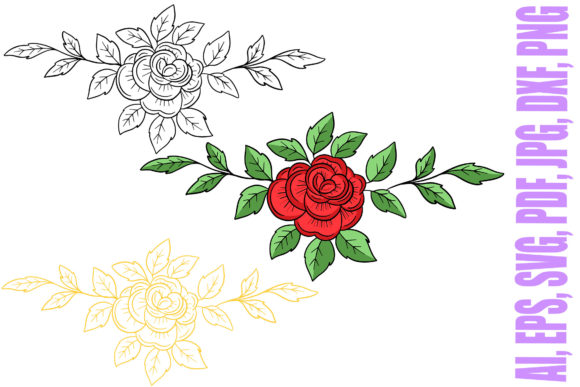
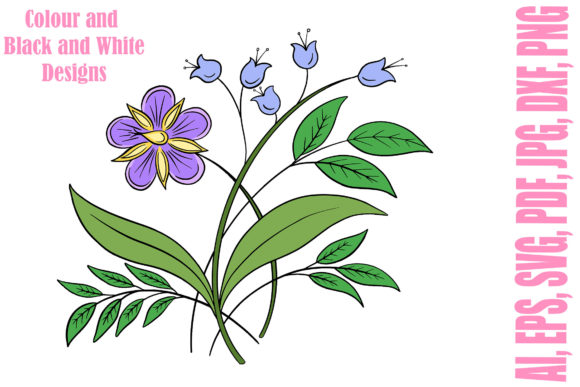
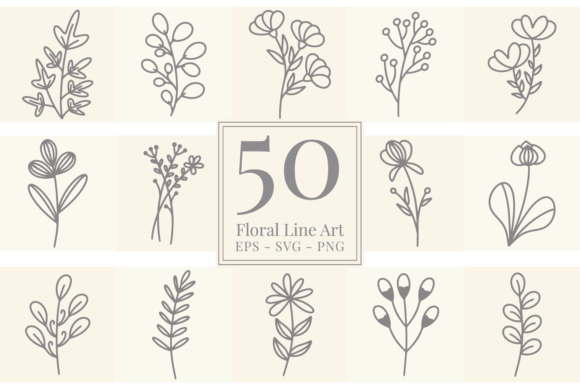
Opening Floral Line Art feels like unrolling a sketchbook page—light, intentional, and full of breathing room. This isn’t fussy botanical overload. It’s delicate stems, open blossoms, and subtle curves drawn with confident single-weight lines. The mood is calm but not cold; modern but not sterile. As an embroidery designer who’s stitched hundreds of floral motifs—from dense fill-stitch roses to chunky applique daisies—I immediately sensed how Floral Line Art would behave under needle and thread: no heavy satin stitch traps, no risky micro-details, no crowded negative space begging for puckering.
A Real-World Test: Embroidering a Linen Tote Bag for a Local Boutique
Last week, I used three designs from the collection on a set of heavyweight natural linen tote bags for a small shop launching a spring capsule line. No digitizing tweaks needed—the clean vector-based lines translated smoothly into a crisp running stitch file. On the tote’s textured surface, the design didn’t disappear or blur. It sat *on* the fabric, not lost *in* it. Customers noticed the subtlety: “It looks hand-drawn,” one said. “Like something I’d sketch myself.” That handmade authenticity? It’s baked in—not added later with filters or faux textures.
Where Floral Line Art Shines (and Where It Asks for Thought)
Floral Line Art excels where clarity, speed, and quiet elegance matter:
- Custom apparel: Perfect for sweatshirt cuffs, t-shirt hems, or back-of-cap placements—no stitch density drama, minimal stabilizer needed.
- Baby embroidery: Soft lines read beautifully on onesies and burp cloths without overwhelming delicate scale or fabric weight.
- Embroidered patches: Clean outlines hold up through cutting, heat-sealing, and repeated washing—ideal for sew-on or iron-on applications.
- Kitchen and home goods: Tea towels, pillow covers, and aprons gain refined charm without visual clutter—especially effective when paired with neutral linens or cottons.
- Holiday and wedding gifts: A single stem on a hand-stitched napkin or monogrammed guest towel reads as personal, not mass-produced.
But—and this matters—Floral Line Art isn’t magic on every surface. On ultra-thin rayon or highly stretchy knits, those fine lines can waver without proper cutaway stabilizer and reduced top tension. On dark fabric, contrast becomes critical: a light thread may vanish unless you test first. And while the collection includes 50 designs, not all scale equally down to a 2-inch hoop—some delicate loops or narrow petal tips need careful inspection before stitching on curved caps or tiny baby hats.
What It Does for Your Craft Business (Beyond Just Looking Nice)
As an Etsy seller and small shop owner myself, I pay attention to what moves product—and what builds trust. Floral Line Art strengthens both. Its consistency across the set means your branding stays cohesive whether you’re embroidering a tote, a tea towel, and a matching patch set. Customers recognize the style instantly—it becomes part of your visual signature. That recognition translates directly to repeat orders and word-of-mouth referrals.
More subtly, it elevates perceived value. A minimalist floral on a well-made linen bag doesn’t scream “cheap digital download.” It whispers “thoughtful curation” and “intentional making.” That impression matters—especially for personalized gifts or boutique merchandise where buyers are paying a premium for craftsmanship, not just content.
Practical Notes Every Embroidery Designer Should Check Before Stitching
Before committing Floral Line Art to your next client project or batch of finished products, run these checks:
- Test on scrap fabric first—especially if using textured, dark, or stretchy materials.
- Review thread color contrast carefully. These designs rely on line integrity, not fill weight—so poor contrast = lost detail.
- Confirm hoop size compatibility. Some motifs work best at 3.5" or larger; others hold up beautifully at 2". Don’t assume uniform scaling.
- Inspect small details under magnification—tiny junctions, narrow stems, and open ends should be stitchable at your machine’s minimum jump distance.
- Try black-and-white mockups to assess balance and readability—color can mask weak spacing or awkward weight distribution.
- Use appropriate stabilizer: tear-away for stable wovens, cutaway for knits or lightweight fabrics.
- Verify licensing before selling finished items or bundling the files as part of your own digital embroidery file shop—this is a graphics collection, not automatically commercial-use cleared.
Final Thought: Less Is Truly More—When It’s Done Right
Floral Line Art doesn’t try to be everything. It doesn’t mimic watercolor washes or photorealistic petals. It embraces its nature as clean, scalable, line-based Illustrations—designed to move easily between screen, stitch, and surface. For craft business owners juggling custom requests, seasonal collections, and tight turnaround times, that reliability is gold. It gives you flexibility without compromise: elegant enough for a bridal boutique, grounded enough for a farmers’ market apron, simple enough for a child’s first embroidered pillow.
If your workflow values precision over pretense—and your customers respond to quiet confidence over loud decoration—Floral Line Art isn’t just another embroidery file. It’s a thoughtful tool. One you’ll reach for again, not just once.