Bee Flowers SVG: Spring Charm, Real Embroidery Smarts
As a designer who’s stitched hundreds of client projects—from boutique baby onesies to Etsy best-selling tote bags—I opened Bee Flowers Svg, Animals,floral,spring expecting lightness. What I got was more: a cohesive, breathable illustration that feels like a breath of April air—not overworked, not too literal, and quietly versatile.
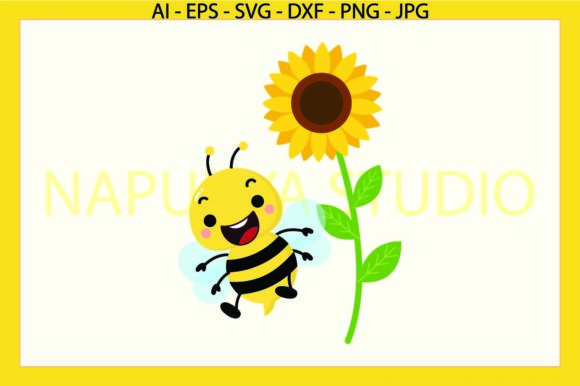
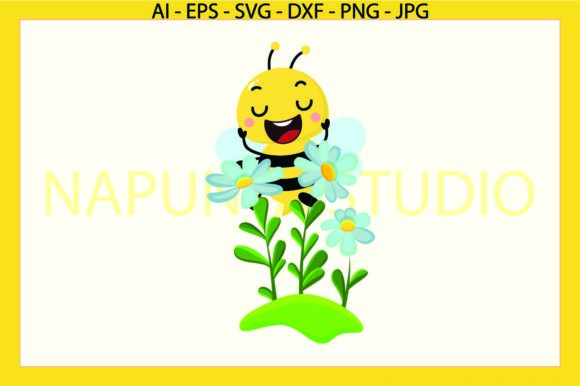
I tested it first on a linen-cotton tea towel for a local kitchen goods shop. The design landed perfectly: the bee hovers just above a loose cluster of daisies and lavender sprigs, petals soft but defined, wings delicate without being fragile. It’s not botanical precision—it’s embroidery-friendly interpretation. That distinction matters. Too much realism in an embroidery file invites stitch crowding; too little loses charm. Bee Flowers Svg, Animals,floral,spring walks that line with intention.
Where This Design Shines—And Where It Asks for Thought
This isn’t a bold, high-contrast monogram or a dense fill-stitch mandala. It’s a graphic—part of the Illustrations category—and that tells you its strength: adaptability across surfaces and scales. I’ve used it successfully on:
- Medium-weight cotton tote bags (hoop size 4” x 4” worked cleanly)
- Unstructured canvas aprons (the floral flow softened the workwear edge)
- Organic cotton baby onesies (scaled down to 3.2”, kept all wing detail with proper stabilizer)
- Embroidered patches for craft fair pins (cut clean, sewn flat, held up to repeated washing)
It’s especially effective for spring-themed personalized gifts—a hand-stitched pillow cover for a new mom, a custom sweatshirt for a garden club, or a set of embroidered tea towels as wedding favors. Customers respond to its warmth and quiet confidence—not flashy, but unmistakably handmade.
Fabrics & Surfaces: Know When to Lean In—or Step Back
Bee Flowers Svg, Animals,floral,spring performs best on stable, medium-weave fabrics: quilting cotton, midweight twill, linen blends, and structured knits. On those, satin stitches hold shape, running-stitch outlines stay crisp, and fill areas breathe without pilling.
Proceed carefully with:
- Stretchy fabrics (like jersey or lightweight rayon): Use cutaway stabilizer + basting stitch before hooping. The bee’s wing outline can blur if fabric shifts mid-stitch.
- Dark or textured fabrics: The design includes subtle layering—lighter petal edges, gentle shadow under the bee’s body. Test thread colors on scrap first. A cream or pale yellow satin stitch reads beautifully on navy; black thread on charcoal may lose dimension.
- Curved surfaces (caps, curved pillow fronts): Reduce scale slightly and avoid placing the bee’s antennae or longest petal tips near seams or crowns. These details are charming—but fragile in tight curves.
- Tiny hoops (<3”): You’ll retain the composition, but fine wing veins and petal separation soften. Still lovely at 2.5”, but treat it as a simplified emblem—not a detailed study.
What This Design Says About Your Craft Business
When your Etsy listing features Bee Flowers Svg, Animals,floral,spring on a natural-toned tote, it signals thoughtfulness—not just trend-chasing. Buyers recognize intentional design: the spacing between elements allows fabric texture to show through; the bee’s posture suggests motion, not stiffness; the floral grouping avoids symmetry, feeling hand-placed rather than templated.
That impression builds trust. A customer buying a personalized baby bib with this design isn’t just getting “a bee and flowers”—they’re investing in a mood, a season, a sense of care. For small shop owners, that translates directly to repeat orders and word-of-mouth referrals.
It also supports brand consistency. Whether you use it as a standalone motif or pair it with simple script (“Spring Days” or “Bloom Slowly”), the visual language stays coherent. No jarring contrast in weight, line, or rhythm—just quiet harmony.
Practical Designer Notes Before You Stitch
Before committing to your first production run—or uploading to your digital embroidery file shop—here’s what I do every time:
- Test on scrap fabric matching your final product’s weight and stretch. Note how fill stitches settle and whether stabilizer shows at edges.
- Check thread color contrast in both natural and artificial light. A pale mint satin stitch looks airy on oatmeal linen but disappears on heather gray.
- Review stitch density visually—not just in software. Dense clusters around the bee’s thorax or flower centers can cause puckering if unstabilized properly.
- Confirm hoop size compatibility. The original canvas is 1920 px × 1—ideal for digital mockups, but always verify actual stitch dimensions in your embroidery software before scaling.
- Inspect small details at 200% zoom: wing veins, petal tips, antenna curvature. If they vanish or pixelate when scaled below 2.8”, simplify manually or adjust stitch type (e.g., replace satin with running stitch for antennae).
- Mock it in black and white first—even if stitching in color. Ensures tonal balance holds up across fabric backgrounds.
- Use appropriate stabilizer: tear-away for stable wovens, cutaway for knits or heirloom pieces, and lightweight fusible for delicate linens.
- Verify licensing. Since this is labeled “INSTANT DOWNLOAD—DIGITAL PRODUCTS” and cleared for shirts, tote bags, cards, and more, confirm whether commercial resale of finished embroidered items is permitted—and whether attribution is required.
A Design That Grows With Your Projects
Bee Flowers Svg, Animals,floral,spring doesn’t shout. It hums—softly, seasonally, sincerely. That makes it unusually flexible: equally at home on a rustic kitchen towel sold at a farmers’ market, a modern nursery wall hanging, or a limited-run embroidered patch for a local pollinator nonprofit.
It’s not a “one-season wonder.” With smart color swaps (mustard + sage for fall; slate + blush for winter), it adapts. And because it lives in the Graphics category—not as a rigid logo or clipart—but as a considered illustration, it invites reinterpretation without losing identity.
If you’re curating design assets for your craft business, building an embroidery library for client work, or selecting motifs for your next Etsy collection: this one earns shelf space. Not because it’s perfect—but because it’s practical, poetic, and ready to become part of something real.