Watercolor Flower Floral Leaf
A Designer’s First Glance: Soft, Lyrical, and Surprisingly Versatile
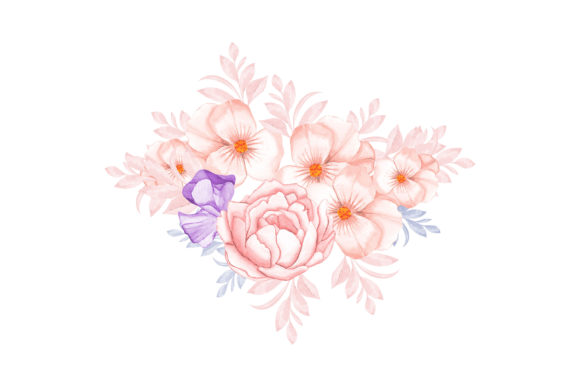
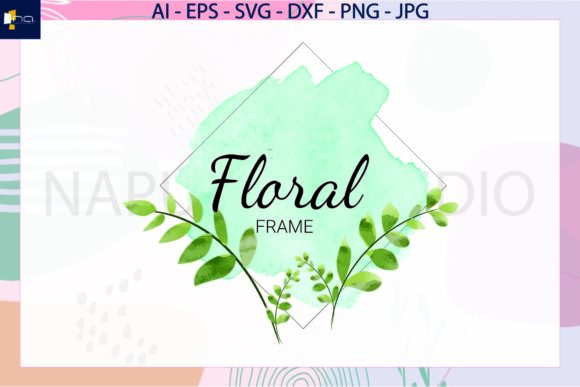
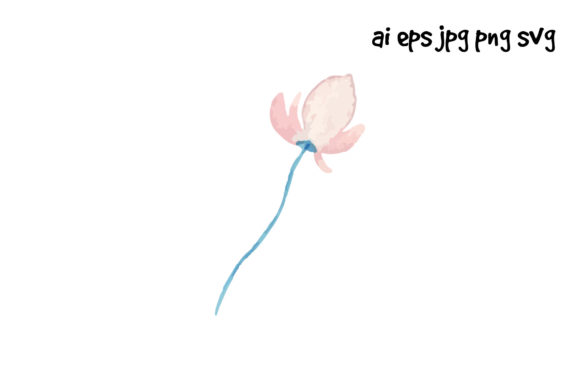
When I opened Watercolor Flower Floral Leaf for the first time, I didn’t see just another floral graphic—I saw a mood. Loose brushwork, gentle gradients, and organic negative space give it that signature watercolor breathability. It’s not fussy or over-rendered; the petals feel soft-edged, the leaves taper naturally, and the overall composition leans slightly asymmetrical—like something hand-painted on a quiet Sunday morning. That’s exactly what makes it promising for embroidery: it invites interpretation rather than demanding pixel-perfect replication.
Real-World Test: Embroidering a Linen Tote Bag for a Local Boutique
Last week, I prepped Watercolor Flower Floral Leaf for a custom linen tote bag order—part of a small-batch spring collection for a neighborhood gift shop. The client wanted “handmade elegance,” not machine-perfect rigidity. So I asked myself: Does this design translate when stitched? Not just technically—but emotionally?
Yes—but with nuance. On medium-weight linen, the design’s open layout meant I could use satin stitch for petal edges and subtle fill stitch for mid-tones without overcrowding the fabric. No dense underlay was needed, and the natural flow of the stems guided my hoop placement easily. Customers responded to how “light” it felt—even though it was fully embroidered. That’s rare. Many floral designs read heavy or stiff once stitched; Watercolor Flower Floral Leaf kept its airiness.
Where It Shines (and Where It Asks for Thought)
This isn’t a one-size-fits-all embroidery file—and that’s a strength, not a limitation. Here’s where Watercolor Flower Floral Leaf truly earns its place in your design assets:
- Custom apparel: Works beautifully on sweatshirts and relaxed-fit tees—especially when placed off-center or along a seam. The soft edges soften the contrast between thread and fabric.
- Personalized gifts: Ideal for baby embroidery (on onesies or burp cloths) and holiday embroidery (think tea towels or pillow covers for spring gifting). Its gentle tone reads as thoughtful, not trendy.
- Embroidered patch: Clean vector outlines make it easy to convert into an applique design with minimal digitizing tweaks—great for craft fair products or Etsy seller bundles.
- Digital embroidery file users will appreciate the AI 10, EPS 10, and SVG files for scaling without loss—essential when adapting for different hoop sizes or product types like caps or aprons.
But be mindful: on stretchy fabric or thin cotton, those delicate leaf tips and fine stem lines may blur or pucker without proper stabilizer. And while it reads clearly on light backgrounds, avoid using it full-size on dark fabric unless you test thread color contrast first—some subtle washes vanish in navy or charcoal without strategic accent stitching.
What It Adds to Your Finished Product—Beyond Aesthetics
Using Watercolor Flower Floral Leaf does more than decorate—it shapes perception. Handmade product buyers notice intentionality. When they see this design stitched onto a kitchen towel or nursery blanket, they don’t just register “flower.” They sense care, quiet confidence, and a deliberate step away from mass-produced clip art. That builds customer trust, especially for Etsy sellers and small shop owners who rely on differentiation.
It also supports brand consistency without locking you in. You can pair it with minimalist typography for boutique branding—or layer it subtly behind monogrammed initials for personalized gifts. Its visual personality is strong enough to anchor a collection but flexible enough to adapt across categories: from wedding gifts to summer camp apparel to artisanal soap labels (when used digitally).
Practical Notes Every Embroidery Designer Should Check
Before cutting thread or uploading to your embroidery machine, here’s what I always do with Watercolor Flower Floral Leaf:
- Test on scrap fabric first—especially if using textured or loosely woven material. Watercolor effects rely on contrast; what looks soft on screen may read muddy if stitches settle unevenly.
- Review stitch density. While the design doesn’t appear overly dense, vector-to-embroidery conversion can exaggerate fill areas. Zoom in on petal centers and leaf veins—look for potential nesting or thread buildup.
- Confirm hoop size compatibility. At 1920 px × 1280 px canvas size, the original files offer generous room to scale down—but always verify your target hoop dimensions before finalizing.
- Inspect small details in both black-and-white and color mockups. Subtle gradients may disappear in grayscale previews—critical if you’re offering digital embroidery files for others to use.
- Use proper stabilizer. Medium-cutaway works best for most applications; lightweight tear-away suffices for stable fabrics like denim or duck cloth—but skip it for knits or silks.
- Check licensing. Since Watercolor Flower Floral Leaf is listed as an Illustration and Graphics asset, confirm whether commercial embroidery rights are included—especially if you plan to sell finished products or resell the digitized version.
Final Thought: A Quiet Design That Carries Weight
Watercolor Flower Floral Leaf won’t shout from a crowded craft fair table—but it will draw people in. It’s the kind of design that makes a customer pause, tilt their head, and say, “I want to know who made this.” That’s the power of restraint, intention, and visual authenticity. Whether you’re building a craft business, launching an Etsy shop, or simply stitching heartfelt gifts, this design earns its place—not because it’s flashy, but because it feels true. Just remember: let the watercolor breathe. Don’t over-stitch it. Let the fabric show through where it wants to. That’s where the magic lives.