Vector Floral Card Designs: Graphics & Illustrations for Brand Storytelling
As a brand designer who’s built visual systems for 12+ small businesses—and a content marketer who’s launched campaigns across Instagram, Pinterest, and email—I opened Vector Floral Card Designs expecting delicate charm. What I found was something more strategic: a versatile, emotionally resonant graphic design asset that bridges handmade warmth and modern polish. It landed during a real project—refreshing the visual identity for a botanical skincare brand launching its spring collection—and immediately earned a spot in our campaign toolkit.
First Impression: Mood, Tone, and Audience Alignment
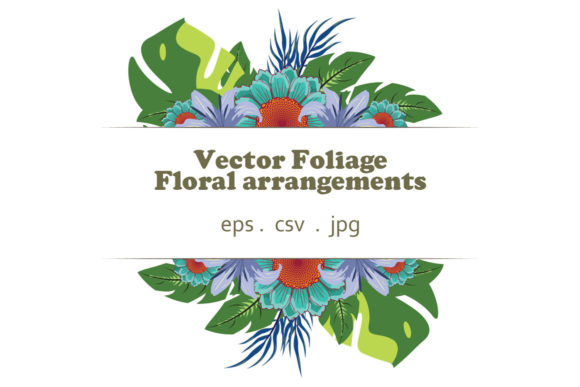
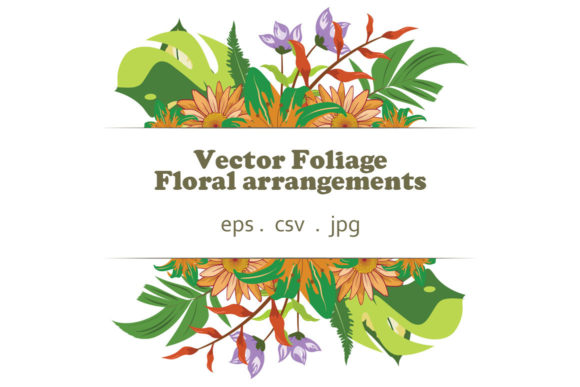
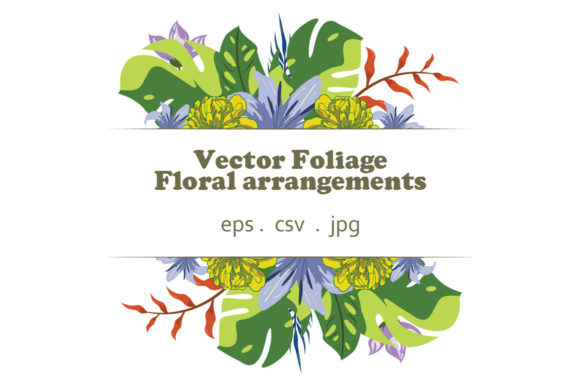
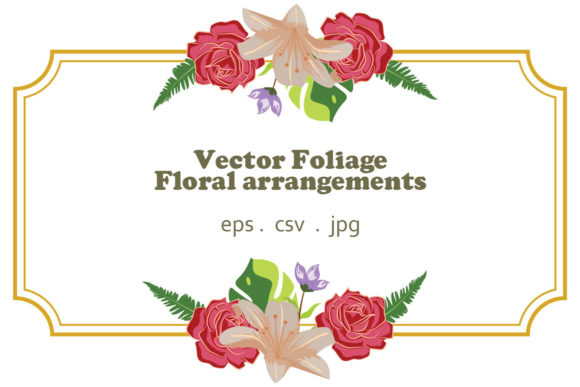
The floral motif isn’t fussy or overly romantic—it’s balanced, airy, and thoughtfully spaced. Petals have gentle curves, stems flow with quiet confidence, and negative space is treated like a design element, not an afterthought. That balance creates instant audience trust: it feels intentional, not generic clipart. For brands rooted in wellness, slow living, artisanal goods, or mindful entrepreneurship, this illustration signals authenticity without sacrificing polish. It leans into lifestyle content and editorial design, but holds up beautifully in commercial design contexts—think product launch visuals on Shopify banners or branded Canva templates for coaches.
Where Vector Floral Card Designs Delivers Real Marketing Value
This isn’t just decoration—it’s a functional piece of your brand identity. In our skincare campaign, we used it as:
- Packaging design: scaled down as a subtle border on folded product inserts—elevating perceived value without overwhelming the clean typography;
- Social media graphics: layered over soft gradients in Instagram carousels to create visual rhythm across educational posts;
- Pinterest pins: combined with bold serif headlines to boost click-throughs—its organic shape draws the eye while supporting clear visual hierarchy;
- Digital ads: isolated on white backgrounds in Facebook lead-gen ads—clean, recognizable at thumbnail size, and reinforcing seasonal messaging;
- Branded templates: embedded into editable Canva templates for clients’ email newsletters—adding consistent personality across touchpoints.
It also strengthened small business branding by giving us a scalable decorative element that worked equally well on tote bags (as a subtle chest print), digital product previews, and printed event flyers. Because it’s delivered as an SVG design plus AI, resizing was flawless—no pixelation on large-format posters or crisp web headers.
Strategic Uses: Hero Graphics, Campaign Headers & Branded Templates
Vector Floral Card Designs shines where emotional resonance meets clarity. It’s ideal for:
- Hero graphics that open landing pages—paired with minimal copy to evoke calm and intentionality;
- Campaign headers for seasonal offers (e.g., “Spring Renewal” launches) that feel fresh but not fleeting;
- Content bundles and lead magnets—used as decorative accents on printable checklists or guided workbooks;
- Branded templates for social media managers needing cohesive yet flexible assets;
- Packaging accents and product label flourishes that add tactile sophistication without printing complexity.
In every case, it supports better engagement by softening digital interfaces and humanizing brand voice—especially valuable for online coaches, creative entrepreneurs, and digital sellers competing for attention in saturated feeds.
Where to Use It Thoughtfully (Not Everywhere)
Like any strong creative design, it has boundaries. Avoid deploying Vector Floral Card Designs in:
- Formal corporate branding—it lacks the austerity expected in finance or legal verticals;
- Dense information layouts—its organic lines compete with tight data tables or multi-paragraph blog graphics;
- Small mobile graphics where fine stems and delicate leaves blur or disappear below 48px;
- Low-contrast backgrounds—test carefully against light grays or muted pastels to ensure legibility;
- Overly minimal brands that rely solely on stark geometry or monochrome palettes.
It shouldn’t dominate. Its strength lies in support—not substitution.
Brand Designer Notes: Testing Before Launch
Before locking it into final files, I ran these checks—every one revealed practical insights:
- Tested with the brand color palette: It harmonized with sage, cream, and charcoal—but clashed with neon orange. Not a flaw—just context.
- Checked black-and-white usage: The linework held up cleanly in grayscale, making it viable for letterpress packaging or monochrome printables.
- Placed inside real campaign mockups: On a tote bag mockup, it read as premium; on a phone screen, it needed slight simplification in one variant.
- Previewed on mobile: Confirmed optimal sizing for Instagram Stories (min. 72px stem height).
- Compared against competitor visuals: Stood out for its restrained elegance—no stock-photo sterility, no chaotic busyness.
- Paired with fonts: Sang with serif headings (Playfair Display), grounded sans serifs (Inter), and added warmth to script accents—though it overwhelmed ultra-thin handwritten fonts.
- Reviewed spacing and balance: Verified that margins around the motif supported breathing room in editorial layouts.
- Confirmed commercial license: Verified full rights for client work, paid ads, and digital product visuals—critical for designers selling Canva templates or printable designs.
That last point matters: as a design bundle sold on a creative marketplace, its commercial license removes friction for small business owners building their own marketing visuals.
Final Verdict: A Thoughtful, Scalable Asset for Human-Centered Branding
Vector Floral Card Designs isn’t flashy—but it’s reliable, emotionally intelligent, and deeply adaptable. It helps content creators build professional branding without hiring a designer for every variation. For bloggers crafting Pinterest-optimized guides, publishers designing editorial spreads, or product creators assembling launch kits, it delivers stronger first impression, clearer visual hierarchy, and more memorable campaign visuals—all while feeling authentically human. In a world of algorithm-driven noise, sometimes the most powerful modern design is the one that makes people pause, breathe, and remember how your brand makes them feel.