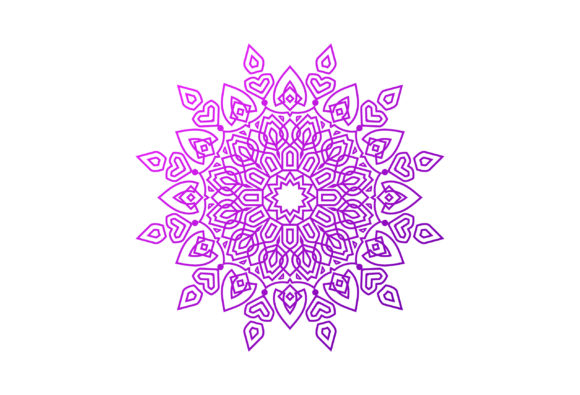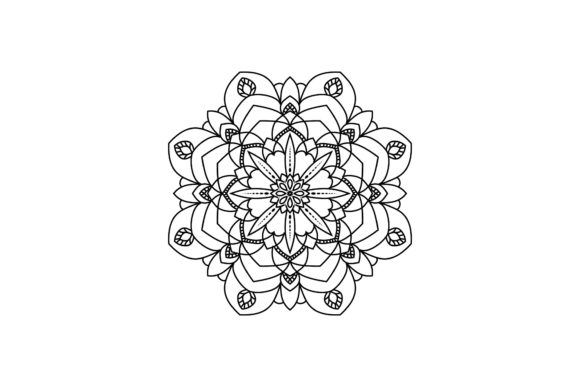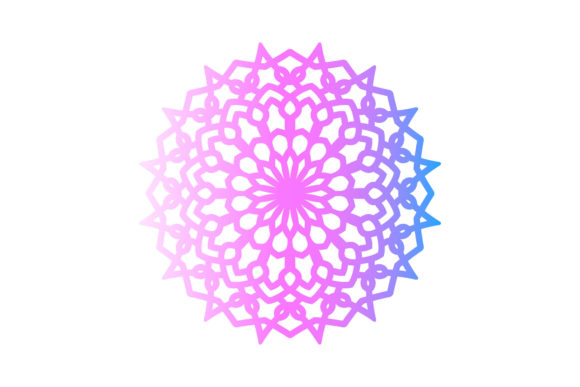
Mandala Illustration Floral Design Art for Graphics and Illustrations
As a brand designer who has spent years refining visual identities for local enterprises, I approach every new asset with a mix of optimism and skepticism. The market is flooded with generic clipart, but finding a piece that truly elevates Mandala Illustration Floral Design Art requires a keen eye for detail, scalability, and emotional resonance. Recently, I evaluated a specific floral mandala asset intended for real-world application in small business branding, product packaging, and promotional materials. This review breaks down how this design fits into the practical workflow of modern entrepreneurs, from boutique owners to artisanal food producers.
First Impressions: Mood and Brand Personality
When Mandala Illustration Floral Design Art first appears on the screen, it immediately establishes a tone that is both decorative and structured. Unlike chaotic patterns or overly rigid geometric shapes, this illustration strikes a balance between organic flow and mathematical precision. It suggests a brand personality that is elegant, feminine, and perhaps slightly rustic or bohemian. For a local business owner, this means the asset can instantly communicate values of craftsmanship, care, and natural beauty.
The mood created by this piece is soft yet commanding. It feels premium without being cold, which is a difficult balance to achieve in graphic design. It works exceptionally well for businesses that want to appear approachable but professional. Whether you are running a handmade soap shop, a cozy coffee roastery, or a curated home decor boutique, this illustration provides a visual anchor that says "quality" before the customer even reads your tagline. It avoids the trap of looking like cheap print material, instead offering the depth expected in high-end retail environments.
Practical Applications in Local Business Branding
The versatility of Mandala Illustration Floral Design Art makes it a powerful tool across multiple touchpoints. In the realm of packaging design, this asset shines as a background element or a central focal point. Imagine a jar of artisanal honey or a box of luxury candles; placing this illustration on the label creates an immediate shelf appeal that draws the eye. It transforms a simple container into a branded experience.
- Product Labels and Hang Tags: The intricate details hold up well when scaled down, making it ideal for hang tags on clothing items or labels on skincare bottles.
- Social Media Graphics: For social media managers, this asset serves as a perfect backdrop for promotional ads or seasonal campaign visuals. It adds texture to flat designs without overwhelming the text.
- Printable Inserts and Thank-You Cards: Small businesses thrive on personal connection. Using this illustration on thank-you cards included in orders reinforces brand identity and encourages customer loyalty.
- Website Banners and Web Design: As a hero graphic, it can soften the look of a website, making it more inviting for visitors browsing handmade goods or local services.
This asset supports stronger first impressions by providing a consistent visual language. When used across marketing visuals, from flyers to business cards, it ensures that your brand identity remains cohesive. Customers begin to recognize your products not just by name, but by the distinctive floral geometry that frames your message.
Supporting Business Presentation and Trust
In the competitive landscape of local commerce, presentation is everything. A well-designed package signals reliability. By integrating Mandala Illustration Floral Design Art into your collateral, you demonstrate attention to detail. This contributes to improved customer trust and better product recognition. When a customer sees your unique floral motif repeated on your Instagram feed, your physical packaging, and your menu graphics, it creates a sense of professionalism that separates you from amateur competitors.
Furthermore, the illustration aids in clearer visual hierarchy. Because the design is complex, it naturally draws the eye, allowing you to place critical information—like price or product name—in areas of negative space. This strategic placement ensures that your marketing messages are read while still enjoying the aesthetic benefits of the artwork.
Strategic Placement: Where It Works Best
To maximize the impact of this design asset, consider where it will have the most influence. It excels as a decorative brand element on packaging accents, such as the back of a box or the inner flap of a mailer. It is also highly effective as a hero graphic for landing pages or email newsletters. For seasonal campaigns, such as holiday gift sets or summer specials, this illustration can be color-shifted to match current trends while maintaining its core structure.
It is particularly suited for boutique visuals and editorial design projects where aesthetics play a key role in storytelling. If you are designing a lookbook for a handmade jewelry line, this floral mandala can frame your product shots, adding context and elegance.
Cautions and Considerations
While Mandala Illustration Floral Design Art is versatile, it is not a universal fit. Designers must exercise caution when using it in contexts where simplicity is paramount. It should generally be avoided in formal corporate branding, where clean lines and minimalism are preferred. Additionally, it may clutter very small labels or ingredient-heavy layouts. If your product requires extensive legal disclaimers or nutritional information, placing this illustration nearby might compete with important text, reducing readability.
Low-contrast backgrounds can also diminish the effect of the detailed lines. Ensure that the background color allows the illustration to stand out. Finally, for luxury minimalist brands that rely on stark white space, this ornate design might feel too busy. Evaluate whether the decoration aligns with your overall aesthetic goals.
Practical Designer Notes for Implementation
Before committing to this asset for client work or business branding, follow these practical steps to ensure quality:
- Test on Real Mockups: Do not judge the asset solely on a digital screen. Print it out and apply it to physical packaging mockups to see how the lines render at different sizes.
- Check Black and White Usage: Convert the file to grayscale to ensure the design retains its structure and legibility without color support.
- Preview on Small Labels: Zoom in to 10% scale to check if the fine details become muddy or disappear entirely.
- Test with Brand Colors: Experiment with different color palettes to see how the illustration interacts with your primary and secondary brand colors.
- Compare with Competitors: Look at similar businesses to ensure your use of this asset does not make your brand look derivative.
- Review File Formats: Since the asset is available in AI, EPS, SVG, JPG, and PNG formats, choose wisely. Use SVG or vector files (AI/EPS) for scalability, ensuring you can resize the graphic for anything from a tiny sticker to a large banner without losing quality. Check PNG transparency for easy layering over photos.
- Font Pairing: Test the illustration beside serif fonts for a classic look, sans-serif fonts for modernity, script fonts for elegance, and handwritten fonts for a personal touch. Confirm that the typography complements rather than clashes with the floral geometry.
- Confirm Commercial Licensing: Always verify that you have the right to use the asset for commercial purposes, especially if you are selling physical products or using it in paid advertisements.
In conclusion, Mandala Illustration Floral Design Art is a robust addition to any designer’s toolkit for small business branding. Its ability to convey warmth, quality, and artistic flair makes it suitable for a wide range of industries, from food and beverage to fashion and home goods. By applying it thoughtfully and testing it rigorously, local business owners can create professional branding that resonates with customers and stands out in a crowded marketplace.