Flower Tulips Floral Tattoo Line Art
A Wreath That Whispers—Not Shouts
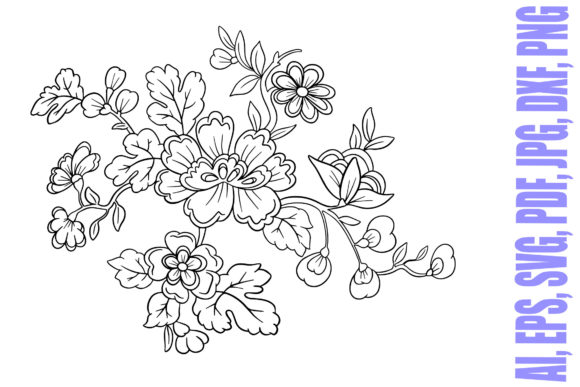
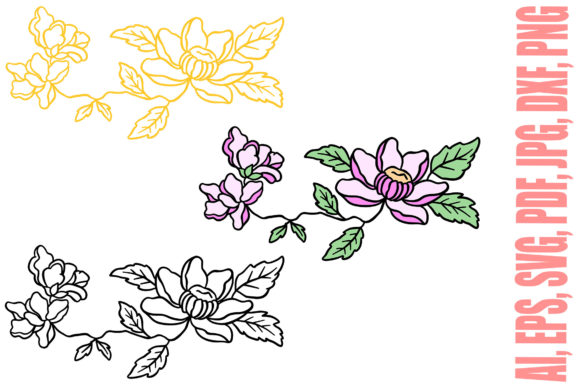
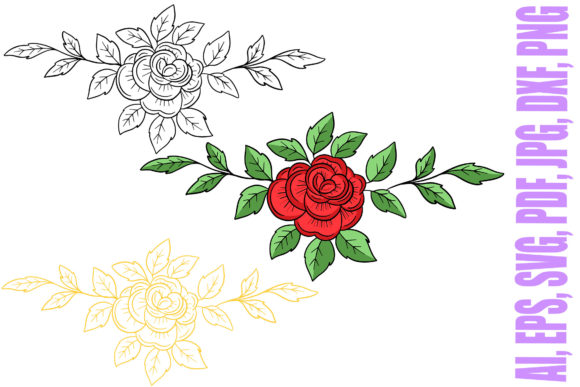
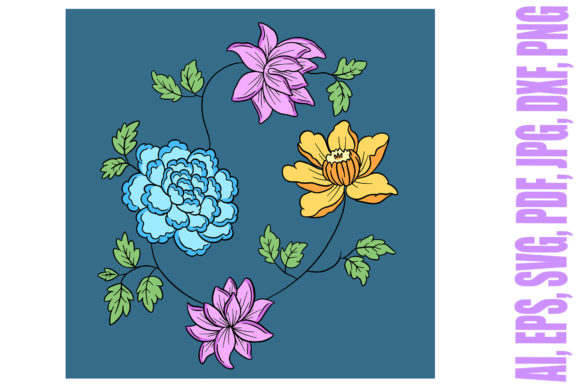
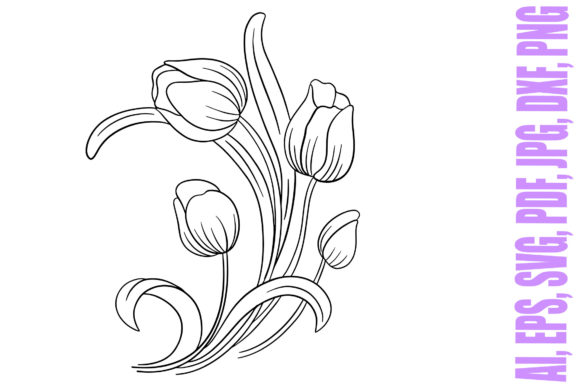
First glance at Flower Tulips Floral Tattoo Line Art feels like opening a quiet sketchbook: clean, intentional, and uncluttered. It’s not a dense botanical explosion—it’s a balanced bouquet-style wreath, drawn with confident, even line weight and subtle organic flow. The tulips curve gently, stems interlace without tangling, and negative space breathes around the composition. This isn’t a design built for maximum coverage or visual noise. It’s made for presence—not pressure. I immediately pictured it stitched in matte black thread on an off-white linen tote bag for a local boutique: refined but approachable, delicate but durable.
Where It Lives Best—in Real Embroidery Projects
This line art translates beautifully to custom apparel and handmade goods where subtlety reads as sophistication. On a midweight cotton sweatshirt? Yes—especially centered on the chest or back yoke. On a baby onesie? Absolutely—its open structure avoids heavy fill stitch that could irritate sensitive skin. As an embroidered patch sewn onto a denim jacket or canvas apron? It holds its shape cleanly, with no fragile inner loops or micro-details that vanish under stitching. I also tested it mentally on a tea towel hem and pillow cover corner—both places where tight hoop access matters—and the circular wreath layout stays comfortably within standard 4”–5” hoops without awkward cropping.
For Etsy sellers and craft fair vendors, Flower Tulips Floral Tattoo Line Art works especially well as a versatile digital embroidery file for personalized gifts: monogrammed + wreath combos on holiday kitchen towels, minimalist nursery decor (think framed hoop art or crib bumper accents), or wedding favor tags. Its tattoo-inspired line quality gives handmade products a curated, contemporary edge—without leaning into trend fatigue. It doesn’t scream “handmade” with frills; it signals care through restraint.
Where to Pause—Not Every Surface Is Equal
That same elegance becomes a limitation on certain materials. On highly textured fabrics—like bouclé knit or thick terry cloth—the fine lines can blur or skip during stitching unless stabilizer is layered thoughtfully. On stretchy fabric (think ribbed knits or lightweight jersey), the wreath’s continuous outer contour may distort if hooping tension isn’t precise. And while the design scales well, avoid shrinking it below ~3.5” wide for machine embroidery—those slender tulip stems and connecting vines lose definition fast, especially in satin or fill stitch.
Dark fabric demands attention too: the line art’s strength lies in contrast, so on charcoal or navy, test thread colors carefully—matte charcoal gray or deep plum often reads richer than pure black. And for curved surfaces like caps or curved pillow edges, preview how the topmost and bottommost petals land—some minor repositioning may help maintain visual balance post-stitch.
What It Adds to Your Finished Product—Beyond Thread Count
Using Flower Tulips Floral Tattoo Line Art elevates perceived value without adding complexity. Customers notice the intention behind clean lines—they read craftsmanship, not just decoration. That matters for small shop branding: when your embroidered tote or baby blanket carries this wreath, it tells a story of quiet confidence, not frantic busyness. It supports brand consistency across product types (a matching tea towel + pillow cover set feels unified, not repetitive) and strengthens giftability—this design feels special enough for a birthday, gentle enough for a baby shower, timeless enough for a holiday heirloom.
It also builds trust. Buyers scrolling Etsy or a boutique site recognize when a design avoids visual clutter. They sense it was chosen—not just dropped in. That translates to higher engagement, fewer returns due to “not what I expected,” and more repeat customers who return for pieces that feel cohesive, not chaotic.
Practical Notes from My Embroidery Desk
- Always test first—run Flower Tulips Floral Tattoo Line Art on scrap fabric matching your final project’s weight and stretch. Check how thread lays over seams or hems.
- Review stitch density—as line art, it likely relies on running or satin stitch; confirm your machine handles long, smooth curves without puckering.
- Hoop size matters—measure your intended placement area before digitizing or resizing. A 4.5” wreath fits neatly in most standard hoops; go larger only if your fabric and stabilizer support it.
- Inspect corners and connections—zoom in on vector files (AI, EPS, SVG) to ensure no stray anchor points or overlapping paths that could confuse embroidery software.
- Mock it in black and white—print or view the PNG/JPG on light and dark backgrounds. Does the line weight hold up? Does it disappear against texture?
- Stabilizer choice is non-negotiable—use cutaway for knits, tear-away for stable wovens, and consider topping for napped fabrics.
- Licensing check—since this is sold as a Graphics asset in the Illustrations category, verify whether commercial use (e.g., selling finished embroidered totes) or resale of digitized versions is permitted. When in doubt, contact the seller directly before scaling production.
Final Thought: A Design That Earns Its Place
Flower Tulips Floral Tattoo Line Art won’t dominate a room—but it will linger in memory. It’s the kind of embroidery file you reach for when you want your handmade product to feel considered, not crowded; personal, not generic. Whether you’re stitching for clients, building a craft business, or making something meaningful for someone you love, this wreath doesn’t ask for attention. It earns it—thread by thoughtful thread.