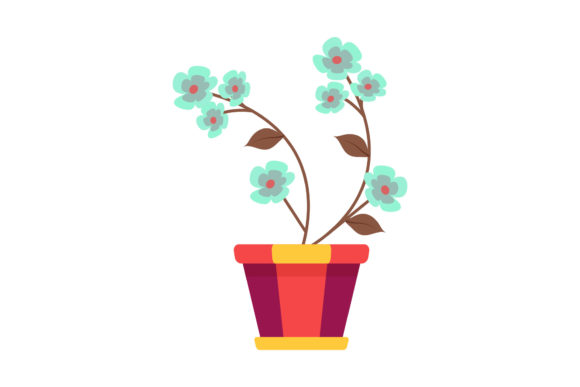
Flower Pot Floral Embroidery Design Review
As a designer who spends more time staring at stitch patterns and fabric swatches than I care to admit, I approach every new machine embroidery design with a healthy dose of skepticism. The market is flooded with graphics that look beautiful on a screen but fall apart when the needle hits the cloth. That is why I take the time to evaluate designs like Flower Pot Floral not just as static art, but as a functional asset for real-world production. Whether you are an Etsy seller looking to expand your catalog or a hobbyist preparing a personalized gift, the difference between a good design and a great one often comes down to how it translates from digital file to finished product.
I recently put Flower Pot Floral through its paces to see how it performs in practical scenarios. This review focuses on the tangible aspects of using this embroidery file: its visual appeal, its suitability for various products, and the technical considerations that determine whether it will elevate your brand or result in a frustrating stitching session.
First Impressions and Visual Personality
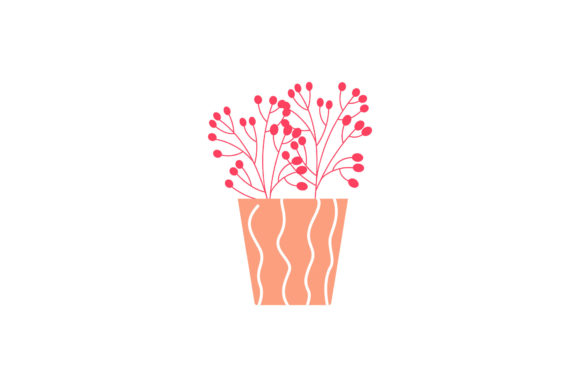
When you first load Flower Pot Floral into your digitizing software, the immediate takeaway is its versatility. It falls squarely into the category of Illustrations and Graphics that feel timeless rather than trendy. The composition suggests a grounded, organic aesthetic—perfect for brands that value craftsmanship and natural elements. Unlike overly intricate floral arrangements that can look cluttered or childish, this design strikes a balance between detail and simplicity.
The mood it creates is warm and inviting. It feels right at home in a nursery, a cozy kitchen, or a boutique clothing store. For designers, this is crucial because it dictates the target audience. Flower Pot Floral appeals to customers who appreciate handmade quality and rustic charm. It does not scream for attention; instead, it offers a quiet confidence that works well for custom apparel, home decor, and personalized gifts. The layout allows for flexibility, meaning it can be scaled up for statement pieces or kept small for subtle accents without losing its character.
Real-World Application: From Screen to Stitch
The true test of any digital embroidery file is how it behaves on different materials. I analyzed how Flower Pot Floral would perform across several common product categories used by Etsy sellers and small business owners.
Apparel and Accessories
This design shines when applied to tote bag design projects. A canvas tote embroidered with Flower Pot Floral instantly gains a premium feel. The structure of the pot provides a solid anchor point, while the flowers offer softness. It also works beautifully on sweatshirt embroidery placements, particularly on the chest or back pocket area. However, caution is advised with stretchy fabrics. If you are working with thin jersey or highly elastic blends, the stability of the design relies heavily on your choice of stabilizer. Without proper support, even a simple design like this can pucker or distort during washing.
Home Decor and Kitchen Textiles
One of the strongest use cases for Flower Pot Floral is in kitchen towel and tea towel collections. These items are frequently washed, so the durability of the stitches matters. The design’s likely use of fill stitch for the flower heads and satin stitch for outlines (depending on the specific digitization) needs to be robust. When executed correctly, it adds a touch of elegance to a functional item, making it a top contender for holiday embroidery gifts or wedding favors. It also translates well to pillow covers and nursery wall hangings, where the soft theme complements pastel color palettes.
Branding and Merchandise
For craft business owners, consistency is key. Flower Pot Floral serves as an excellent design asset for creating a cohesive brand identity. You can use it on tags, labels, and packaging mockups. Its clean lines make it suitable for printable mockup previews, allowing you to showcase the product digitally before committing to physical production. This reduces waste and helps you test market interest with minimal investment.
Technical Considerations and Potential Pitfalls
No design is perfect for every situation. As an experienced reviewer, I must highlight where Flower Pot Floral requires careful handling. Understanding these limitations will save you time and material costs.
- Hoop Size Constraints: Always verify the recommended hoop size for this design. If you attempt to embroider it on a very small hoop, the details may become muddy or lose their definition. Conversely, scaling it too large on a limited machine bed can cause alignment issues.
- Fabric Texture and Color: This design relies on contrast to pop. On dark fabrics, you will need to use a cut-away stabilizer and potentially a backing layer to prevent show-through. On textured fabrics like heavy denim or bouclé, fine details might get lost. Test on scrap fabric first to ensure the thread colors stand out against the background.
- Dense Stitch Areas: Check the stitch density in the center of the pot and the flower clusters. High density can lead to stiffness in the final product, which might be undesirable for soft items like baby clothes or lightweight scarves. If the design feels too stiff, consider reducing the stitch count or adjusting the underlay settings if your software allows.
- Curved Surfaces: While it can work on caps or hats, applying this design to curved surfaces requires precise positioning. The flat nature of the pot might look distorted if not aligned perfectly with the curve of the garment. Practice on cheap blanks before moving to customer orders.
Designer Notes for Optimal Results
To get the most out of Flower Pot Floral, follow these practical steps before starting your production run:
- Test First: Never assume a design will work perfectly on the first try. Embroider a sample on the exact fabric you plan to use. Look for puckering, thread breaks, or misaligned stitches.
- Color Matching: Experiment with different thread colors. The design’s personality can shift dramatically depending on whether you choose earthy tones for a rustic look or bright hues for a playful vibe. Ensure high contrast between the thread and the fabric for maximum visual impact.
- Stabilizer Selection: Use the appropriate stabilizer for your fabric type. Cut-away stabilizers are generally safer for garments that will be washed frequently, while tear-away might suffice for single-use decorative items like holiday ornaments.
- Inspect Details: Zoom in on your screen and inspect the smaller elements. Are the petals distinct? Is the rim of the pot clear? If details are too fine, they may not render well in lower-cost thread stocks.
- Licensing Check: Before selling finished items, confirm the licensing terms provided with the download. Most commercial embroidery licenses allow for the sale of physical goods made from the design, but restrictions may apply to reselling the digital files themselves. Always read the fine print to protect your small shop product business.
Final Verdict
Flower Pot Floral is a reliable, aesthetically pleasing addition to any designer’s library. It bridges the gap between artistic expression and commercial viability. Its strength lies in its adaptability—it can serve as a centerpiece for a large quilt or a subtle accent on a coffee mug sleeve. For creative entrepreneurs and makers seeking to add value to their offerings, this design provides a solid foundation for creating high-quality, desirable products. By paying attention to fabric choice, stabilization, and stitch quality, you can transform this graphics asset into a memorable finished product that customers will love.